The Moment You Sell a Ticket, Your Risk Changes
A heritage railroad that only stores and restores equipment has a very different risk profile from one that loads a hundred guests into vintage coaches and pulls them down the line. The instant you sell a ticket and carry a paying passenger, you take on passenger liability — one of the most significant and concentrated exposures in all of railroading. A single train can hold dozens or hundreds of people, all of whom are in your care for the duration of the ride.
At Locomotive Insurance, a division of Contractors Choice Agency, passenger liability is at the center of nearly every excursion and dinner-train program we build. This article explains what the coverage does, the specific exposures that come with carrying riders, and the extra layers dinner trains in particular need.
What Passenger Liability Covers
Passenger liability responds to bodily injury claims brought by the people riding your trains. The covered events range from the routine to the catastrophic:
- Boarding and exiting injuries — the gap between coach and platform, steep vintage steps, and crowded boarding are among the most common claim sources.
- In-motion incidents — sudden stops, lurches, falls in the aisle, items falling from overhead racks, or injuries while moving between cars.
- Derailments and collisions — lower frequency but high severity, and exactly the scenario a generic policy is most likely to exclude.
- Grade-crossing incidents — a crossing collision can injure both passengers and third parties at once.
Because a single occurrence can injure many people at the same time, adequate limits matter enormously. Underinsuring passenger liability is one of the most dangerous shortcuts an operator can take.
Why Standard Policies Don't Fit
A typical commercial liability policy contains a railroad exclusion and was never written with paying rail passengers in mind. Even policies marketed to tour operators or attractions usually stop short of covering rolling stock, track, and the act of carrying riders behind a locomotive. When a carrier without railroad appetite sees an excursion operation, the account is generally declined or referred. A passenger railroad needs a program from a market that actually understands rail operations — not a general attraction policy with the railroad parts quietly excluded.
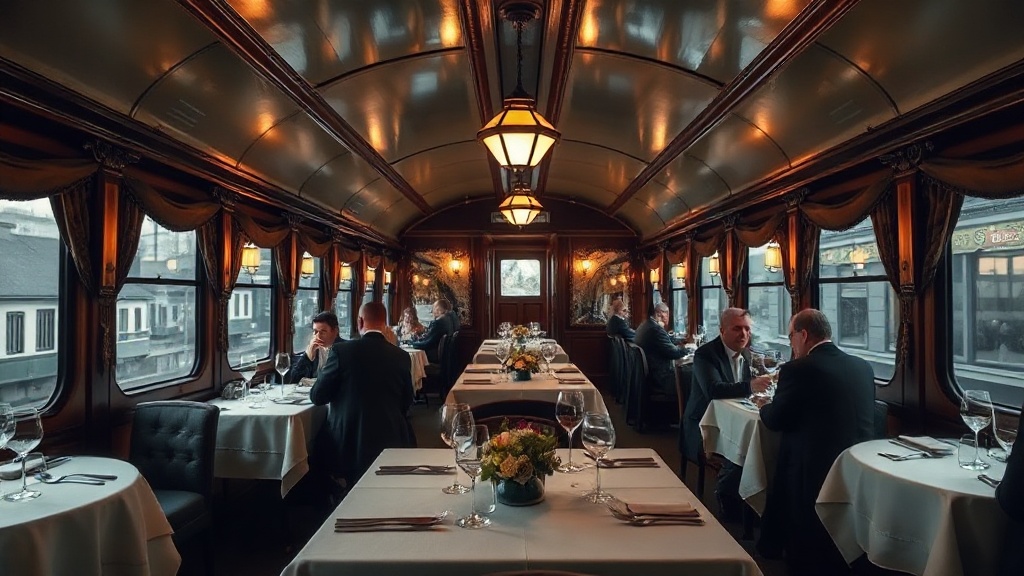
Dinner Trains: Hospitality on Rails
Dinner trains stack a full hospitality business on top of a passenger railroad, and each added activity brings its own exposure:
- Foodservice liability — food preparation, allergens, and foodborne-illness claims, often with an onboard galley operating while the train is in motion.
- Liquor liability — most dinner trains serve alcohol, which adds dram-shop and over-service exposure. This frequently requires a dedicated liquor liability endorsement or policy; standard liability rarely includes it.
- Service-in-motion hazards — staff carrying hot plates and trays through a moving, swaying car face injury risk, and so do guests being served.
- Event and charter exposure — weddings, holiday specials, and private charters change the guest mix and sometimes the operating pattern.
A dinner-train program has to coordinate passenger liability, foodservice, and liquor coverage so there is no gap where one policy assumes another is responding.
Special Events and Seasonal Surges
Holiday specials, pumpkin trains, polar-themed runs, and photo charters drive a large share of many operators' annual ridership — and they concentrate risk into a few high-volume weekends. Costumed characters, themed décor, increased crowding, night operations, and first-time riders all raise the exposure. Some operators also host third-party events or allow outside vendors, which introduces additional-insured and contractual-liability questions. It's worth reviewing your program before each season to make sure event operations are contemplated rather than assumed.
Waivers Help — But They Don't Replace Insurance
Many operators use ticket-back waivers, assumption-of-risk language, and signage. These are useful risk-management tools and can strengthen your defense, but they are not a substitute for coverage. Courts vary in how they enforce waivers, waivers rarely bind minors, and a serious injury or multi-passenger event can generate claims a waiver won't stop. Treat waivers as one layer of a broader risk program, with passenger liability insurance as the financial backstop.
FRA, Equipment, and Crew Standards
The Federal Railroad Administration (FRA) sets standards relevant to passenger operations, including equipment condition and crew qualification. Beyond the regulatory obligation, these standards directly shape your insurability. Underwriters look closely at how passenger equipment is inspected and maintained, how crews are trained, and how boarding is managed. Operators who document FRA-aligned inspection and qualified crews present a stronger, more insurable risk — and that often translates into better terms.
Certificates for Hosts and Municipalities
If your excursion runs over a host railroad's track, crosses municipal roads, or uses leased depots and platforms, you'll be required to carry specific passenger-liability limits and to name those parties as additional insureds on certificates of insurance. Operating agreements frequently spell out exact limits and endorsement language. Getting these certificates right keeps your trackage rights and event permits in good standing.
Build the Right Passenger Program
Carrying passengers is what makes a tourist railroad a business — and it's also what makes the insurance genuinely specialized. A sound program coordinates passenger liability with the right limits, adds foodservice and liquor coverage for dinner trains, contemplates your seasonal specials, and supplies the certificates your hosts demand. To make sure your riders are properly protected and your limits are adequate for a full train, talk to a Locomotive Insurance agent and request a quote built around your actual ridership and operations.